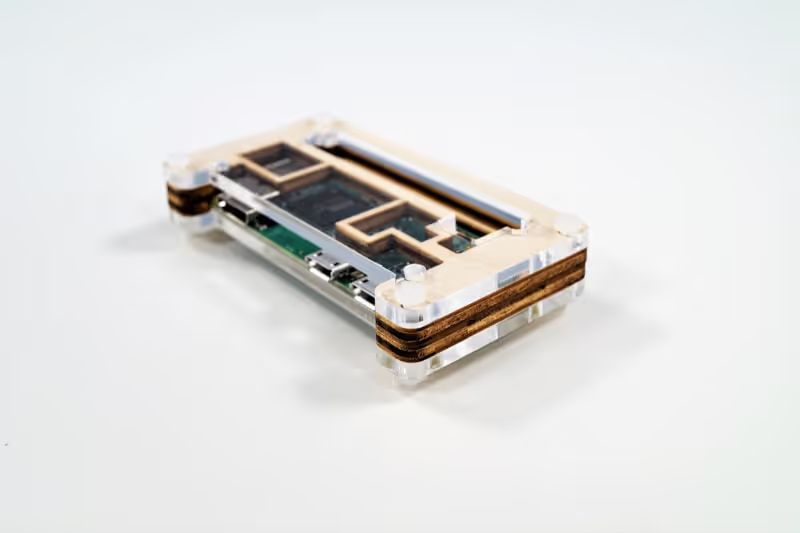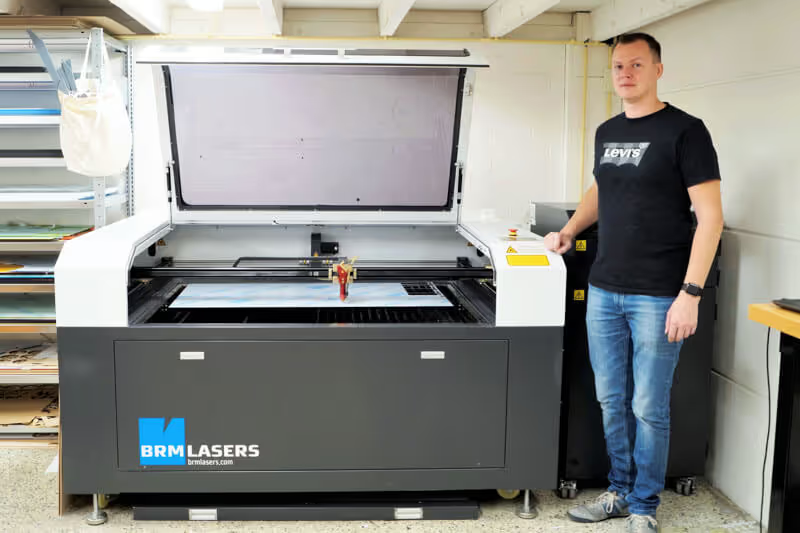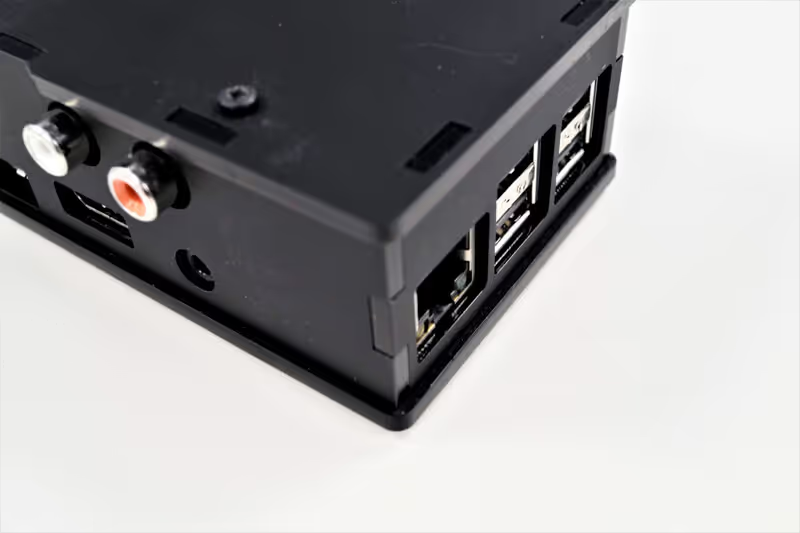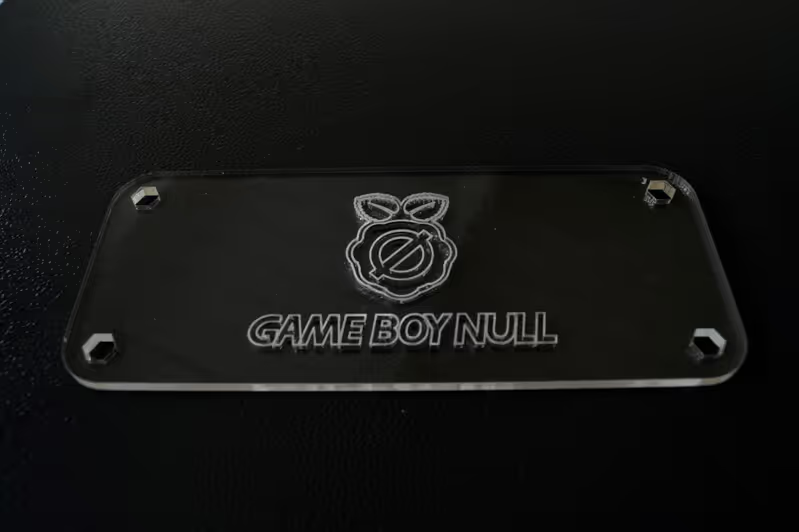



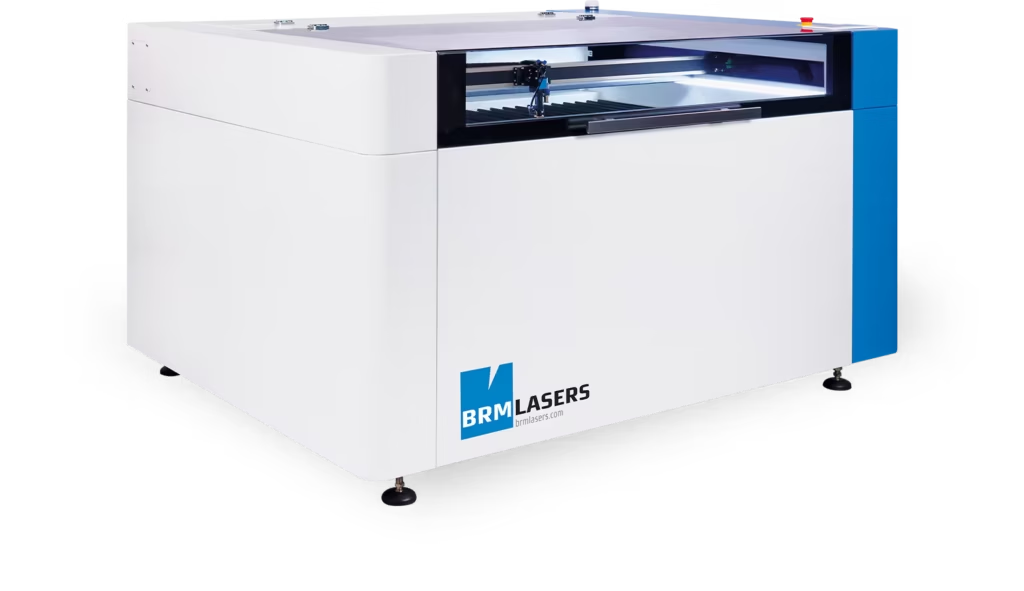


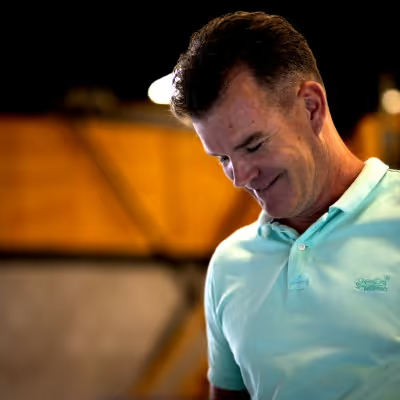

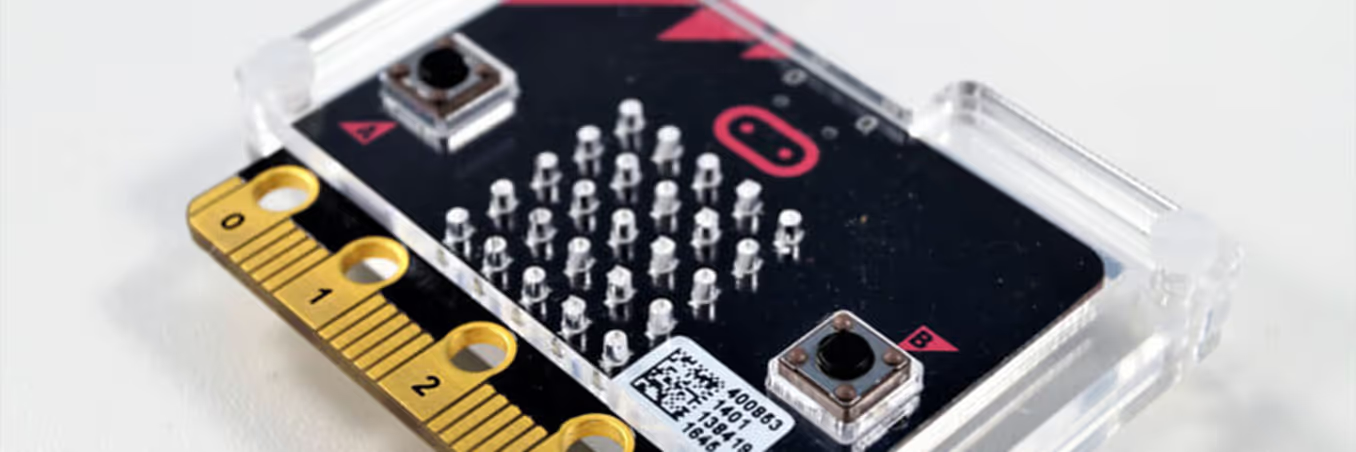
For Kiwi Electronics, the personalised service and the attractive price of the BRM Original 90130 were hugely important during the process of purchasing their machine. Rogier Kerstens of Kiwi Electronics uses the laser machine he purchased to create various products. These include casings for the products they sell themselves, as well as jewellery and projects for their customers. On their website, they offer a range of standard casings. However, if there is a specific combination of items that does not fit within the standard range, they can now customise them. To cut these, they adapt the existing design to the desired dimensions. Their customers supply files for items such as casings, or other items they would like to have engraved. They then work with the customer to determine whether cutting and engraving is possible, and which material can be used. In this way, they essentially offer a kind of laser cutting service.
High demand for Raspberry Pi and Arduino
Since the launch of the Raspberry Pi in 2012, Kiwi Electronics has been a frontrunner in the sale of Raspberry Pi products via its online shop. It has now become a fully-fledged dealership, although it started out as a hobby. Other major brands it sells include: Arduino, Makeblock, littleBits, SparkFun, Adafruit, Snap Circuits and Seeed Studio (Grove). Kerstens most often provides bespoke solutions for the Raspberry Pi. Standard casings are available, but as soon as a different shield is fitted, the standard version no longer fits. So then they create a bespoke solution. More or less the same applies to Arduino. It’s also an item where prototyping is possible and for which a housing or board may be needed where everything fits neatly into place.
For smaller quantities
The laser machine is perfect for producing small quantities, as Kiwi Electronics does. It’s simply a matter of placing the sheet on the machine and starting to cut. This keeps costs well under control, making it attractive for customers. Kerstens’ client base consists partly of hobbyists, but he also serves organisations involved in prototyping. These companies want to assess whether everything will fit into a particular housing. As a preliminary step to the final injection moulding. In the past, Kiwi Electronics did this using a 3D printer. However, the quality and speed of this were not sufficient when weighed against the costs involved. As they are primarily concerned with bespoke work and do not solely deal with large quantities, they have turned to laser technology.

Why BRM?
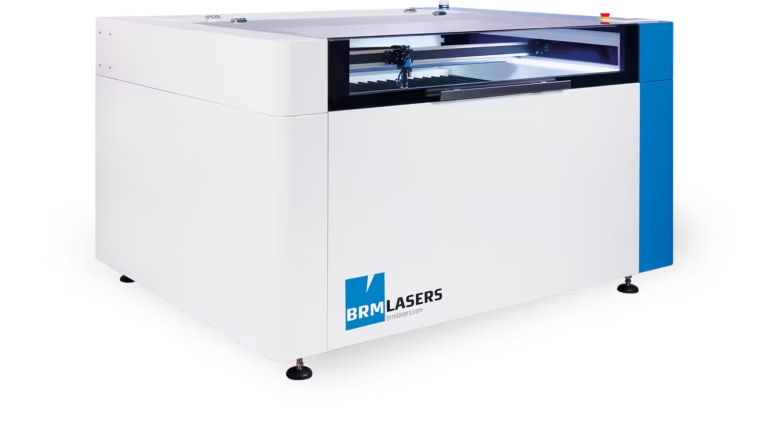
The purchase price was actually the most important factor in choosing BRM. BRM laser machines are simply very attractively priced. The personal contact with VROTECH was also essential. Kerstens simply considers a pleasant personal rapport with everyone he works with to be very important. It felt like a small-scale operation, even though they’re actually quite a bit bigger. Just very approachable, friendly, short lines of communication, and quick to respond. That works really well.
“There are just so many different materials to work with – it’s simply ideal.”
Flexible and fast
The qualities of the BRM 90130 that Kerstens finds most appealing are its versatility and production speed. The machine is very versatile because you can laser-cut absolutely anything with it. And if the material is 3mm acrylic or wood, it can do so very quickly. The fact that it doesn’t require much maintenance is also a big plus. What they do miss a little is the ability for the machine to cut through metal as well. But they know that a different type of laser machine is needed for that. It could well be that this is the next step for Kiwi Electronics: a second laser machine of a different calibre. To enable them to be even more flexible.