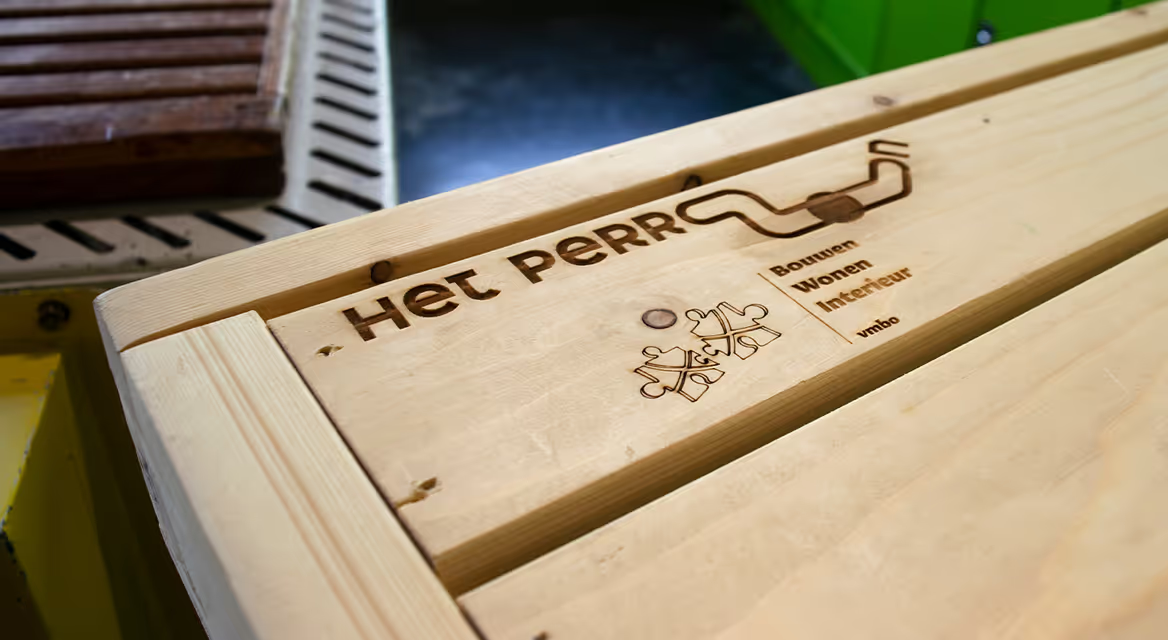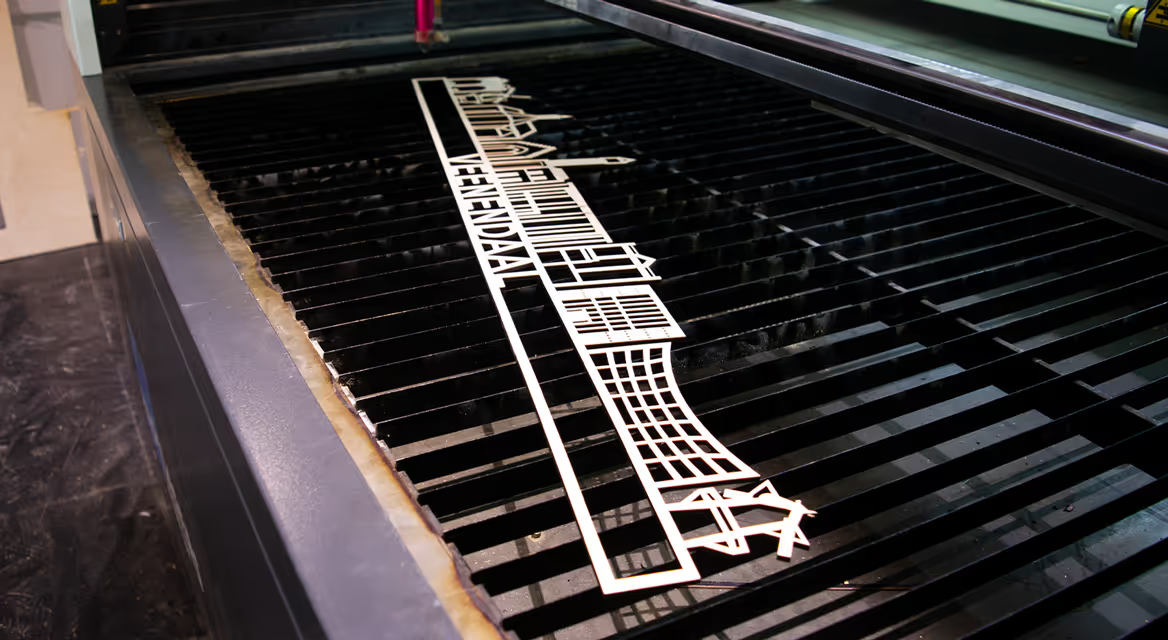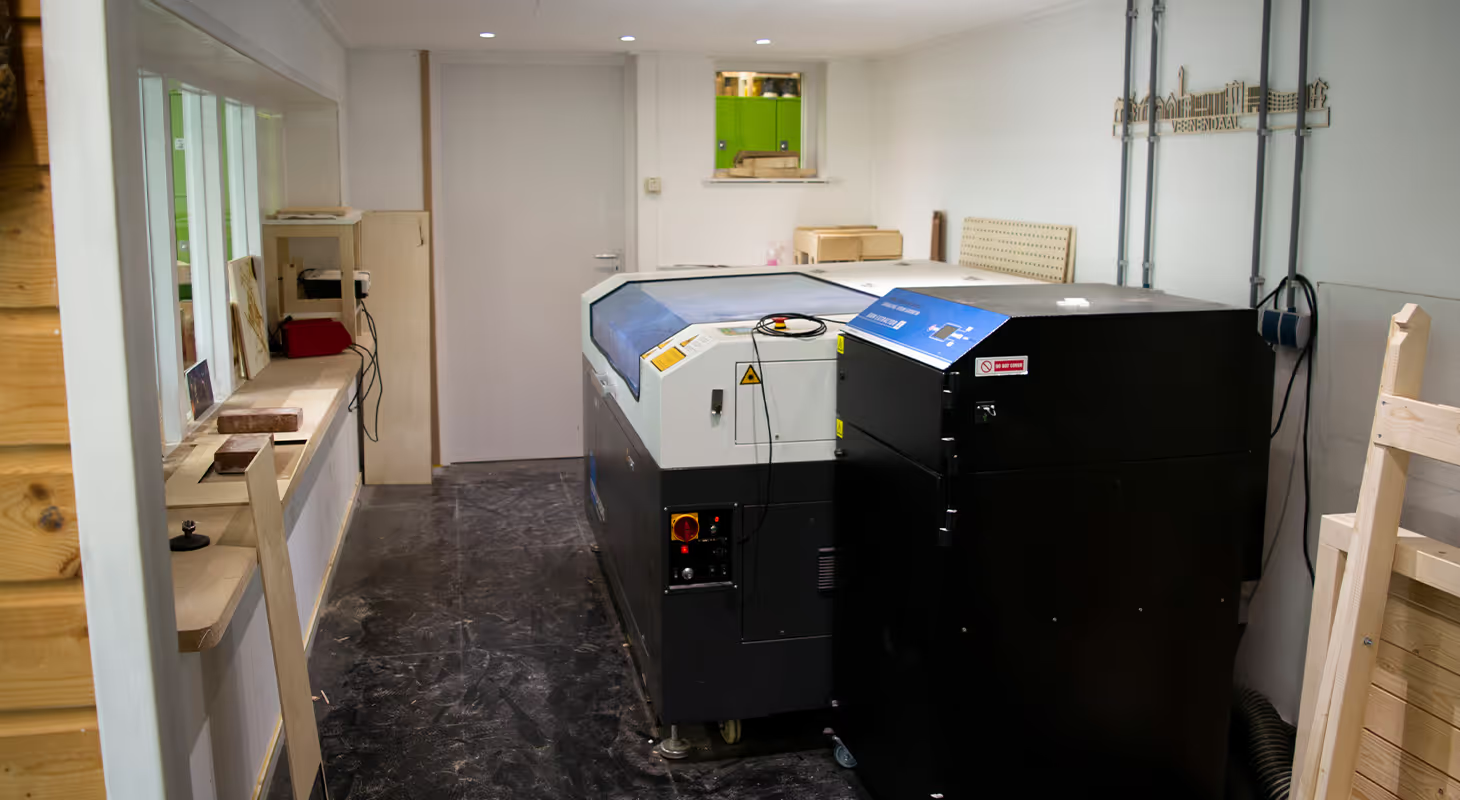



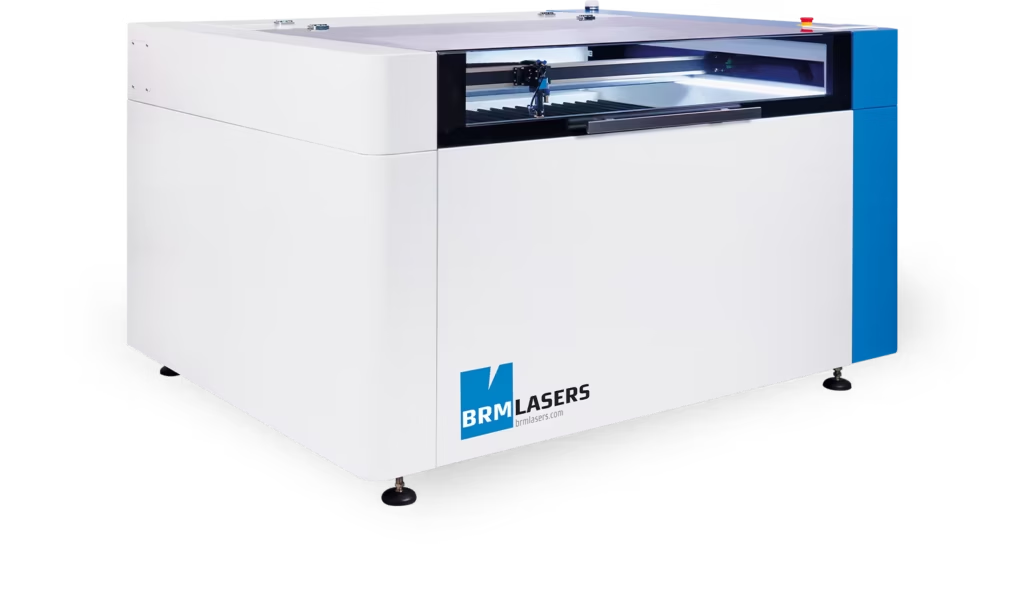




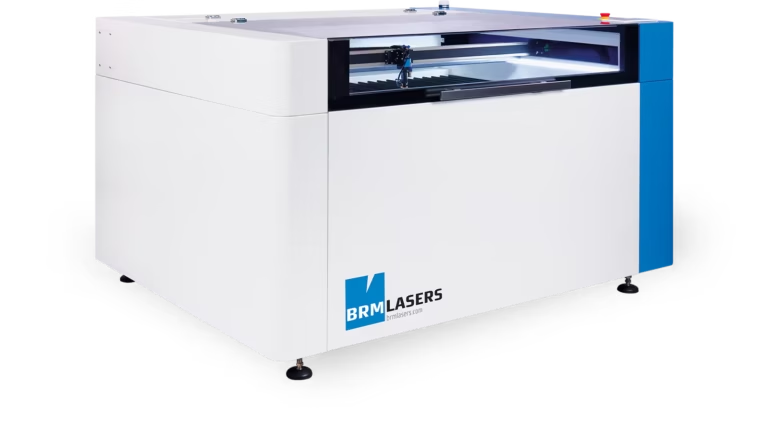
When discussing vocational education in the municipality of Utrecht, it’s impossible to overlook Het Perron in Veenendaal. This training institute embodies vocational education in all its forms, from landscaping to engineering and healthcare and social care. The aim? To prepare its students for an independent place in society. Since the start of 2020, there has been a new addition to their arsenal: the BRM 90130, a laser machine that adds a new dimension to the learning process.
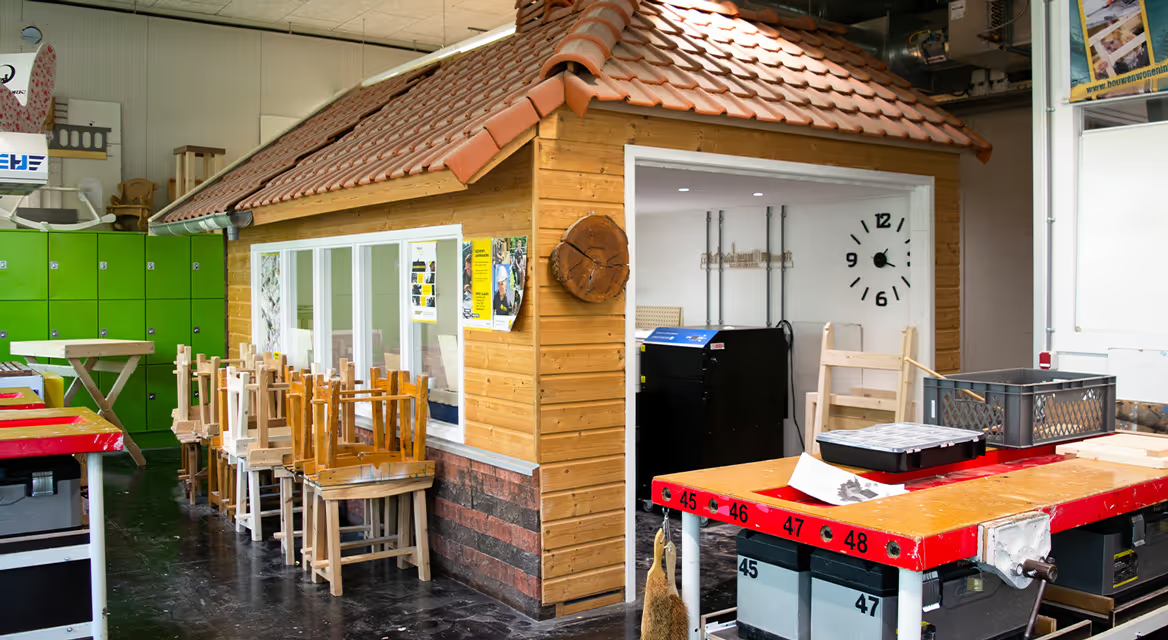
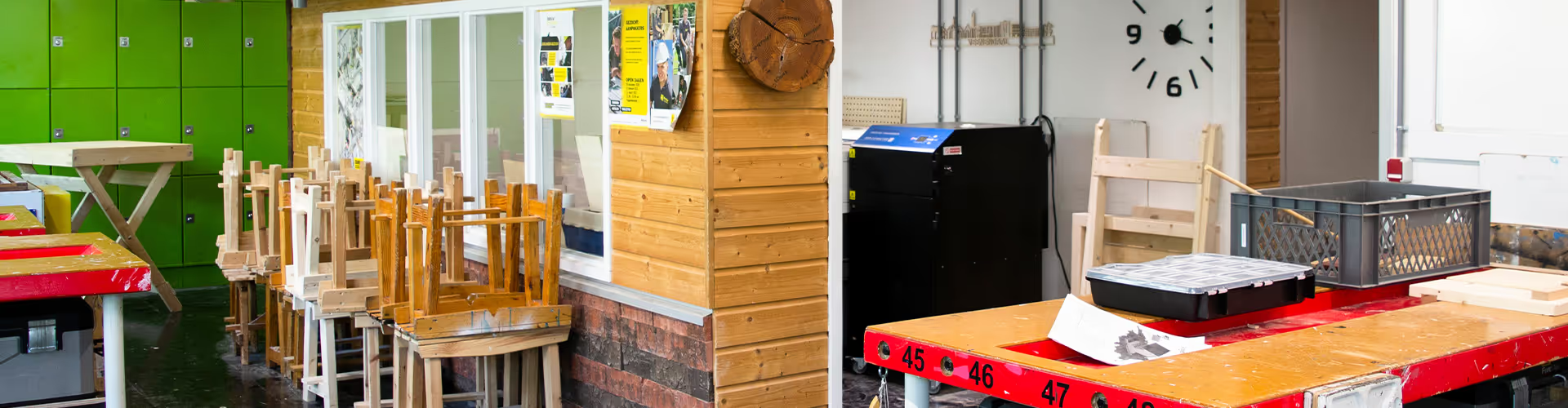
As you walk through the corridors towards the Construction, Housing and Interior Design (BWI) department’s classroom, you’ll be struck by the sheer variety of projects on display. From chairs to cityscapes, from wine crates to floor plans; one thing is clear – the laser cutter is in constant use here. Het Perron strives for innovative education using modern technologies, which is why they are always open to progress. Kaj Wassink, a lecturer in Building, Housing & Interior Design, discovered the potential of the laser machine during a meeting of Platform BWI. His enthusiasm was immediately sparked. “I didn’t actually know what a laser cutter was until I saw the BRM Laser. When I saw what it could do, I knew straight away that this would be a valuable addition to our teaching.” The purchase of the laser cutter has also sparked interest among other schools and institutions. “A few schools have already sought information and dropped by to take a look at the machine,” says Kaj.
Handcrafting vs. laser cutting
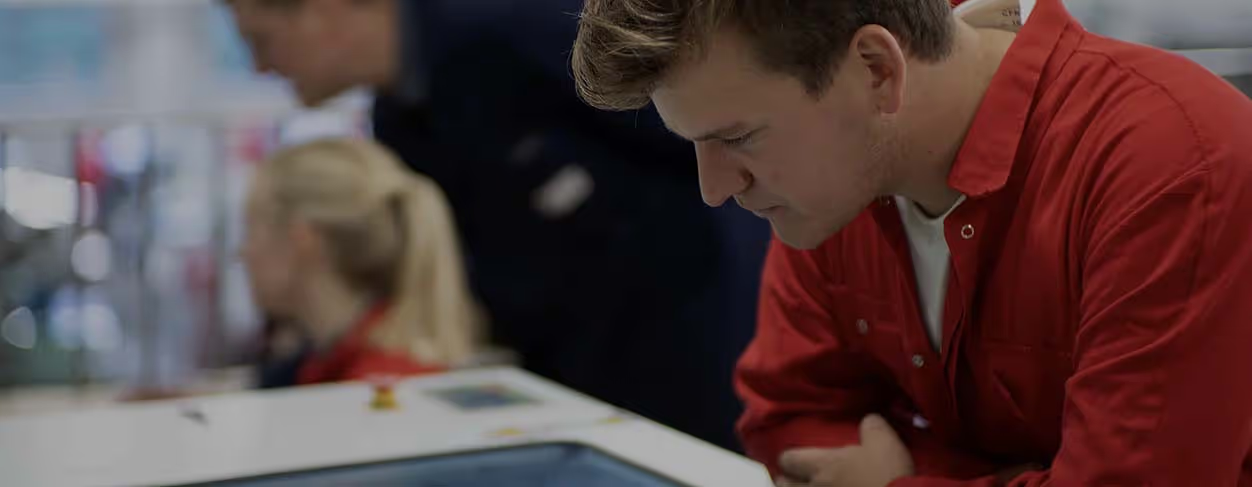
In the past, students used to make their products by hand, a traditional process that took a lot of time and meant longer lead times. “Students would sketch their designs on sheet material and cut them out by hand,” explains Kaj. “With the laser cutter, this process has become much simpler and faster. Students now create their designs in Google SketchUp and upload them directly to the laser cutter. This saves a considerable amount of time.” Kaj emphasises the importance of retaining manual skills, but also recognises the benefits of saving time. “Every student can get to work with the machine during a lesson, which gets them excited, especially when they can use recognisable logos or personalise their products.” Another key advantage Kaj highlights is the machine’s precision. “Sawing by hand often leads to material waste and the risk of crooked lines. With the laser machine, that’s a thing of the past. It delivers accurate results, even with complex shapes. And let’s be honest, it’s just great fun to work with!” As well as saving time, the laser machine also offers unrivalled precision. “Sawing by hand often results in material waste and uneven lines. With the laser machine, this is a thing of the past; everything is cut perfectly, even the most complex shapes.”

Collaborations within and outside the school
The laser machine is not only used within BWI, but also in other departments. “We recently made 300 key rings for the Services and Products course. In addition, students have built an escape room which is now in use!”
Since the arrival of the laser machine, the end products have found their way not only within the school, but also to external companies. “We recently helped a charity by engraving 50 birdhouses. This offers new experiences not only for the students, but also for us.”
In short, the laser machine has revolutionised vocational education. Het Perron demonstrates how modern technologies are taking education to new heights, and the BRM laser machine is a perfect example of this. Whether in education or the business world, the laser machine offers a solution for every application.
“Our students are absolutely thrilled with the machine, especially when they get to work with familiar logos or brands.”
Software
It is a fact that there are various drawing programmes available; some use Adobe Illustrator, others AutoCAD. At Het Perron, however, students are taught to use Google SketchUp. This software allows them to see their designs immediately, which simplifies the process of linking them to the laser cutter. Tutors compile some of the assignments themselves. “This year, we are working intensively with Google SketchUp for the first time,” explains a tutor. “As a result, our assignments are still under development, but they always include a component where we can use the laser machine.”