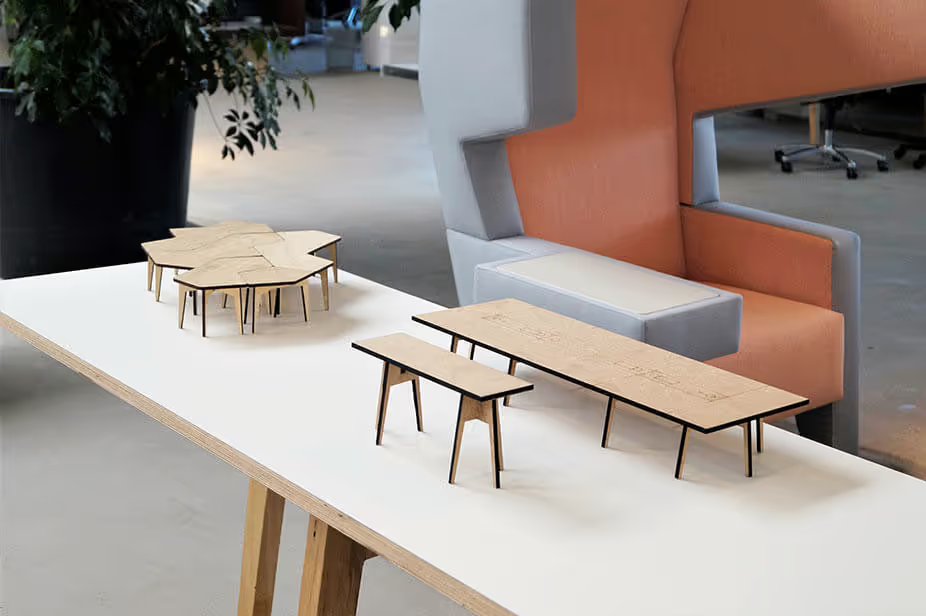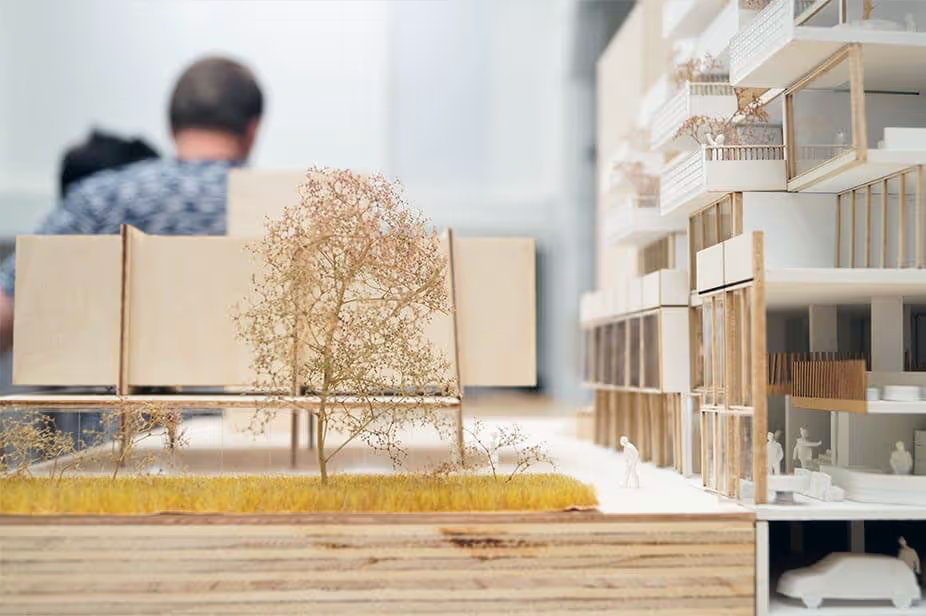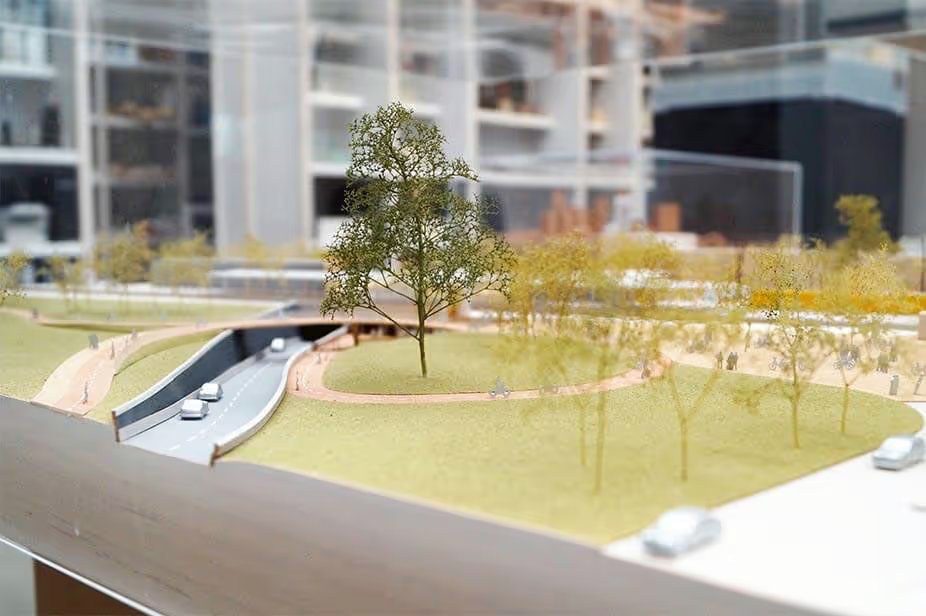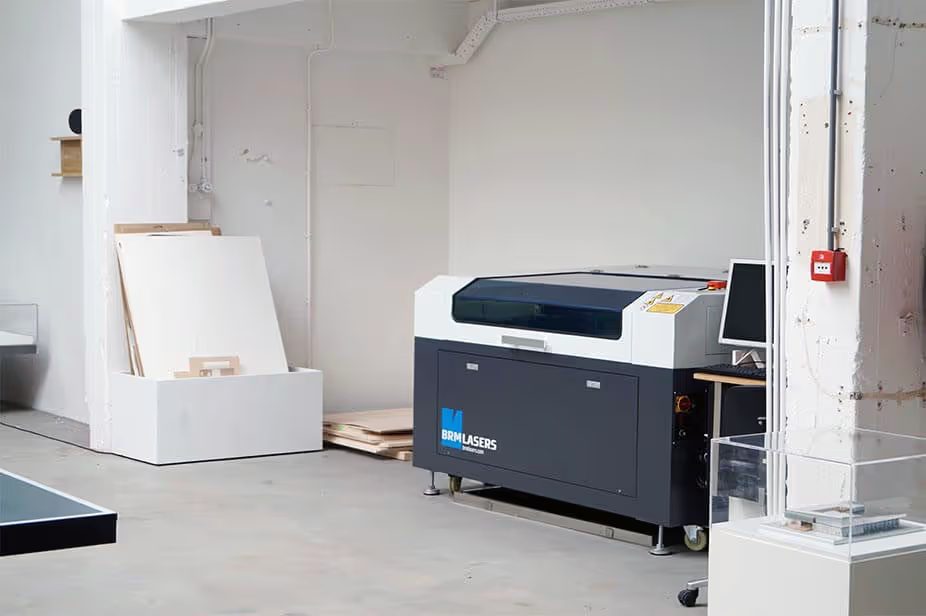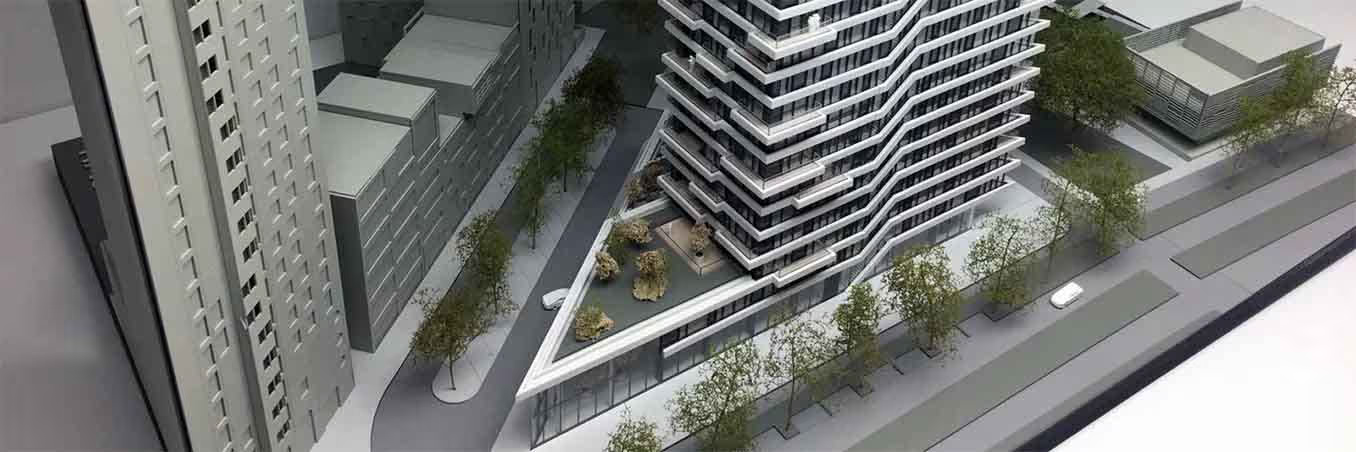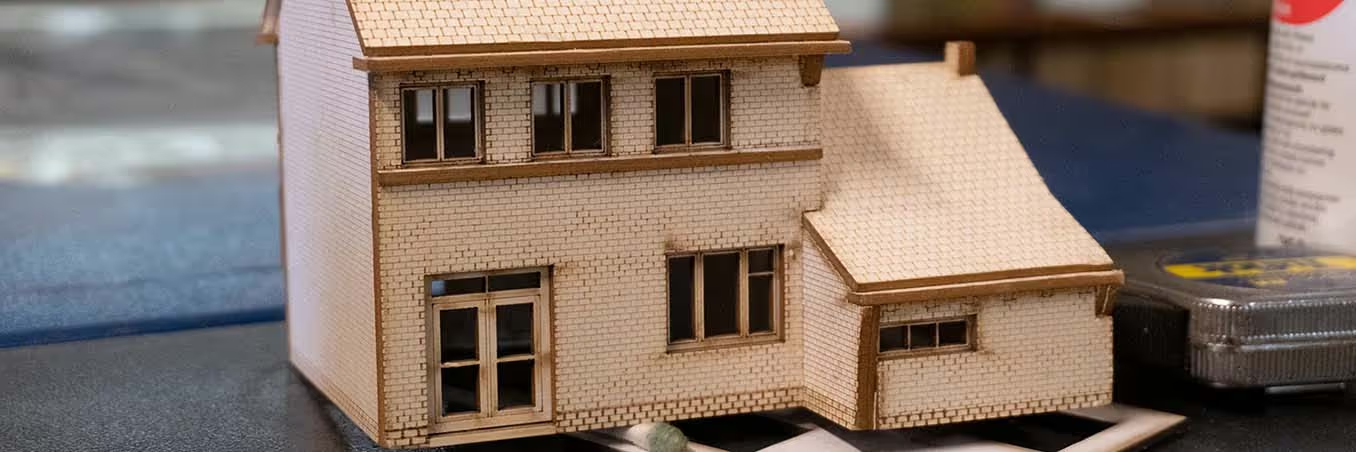



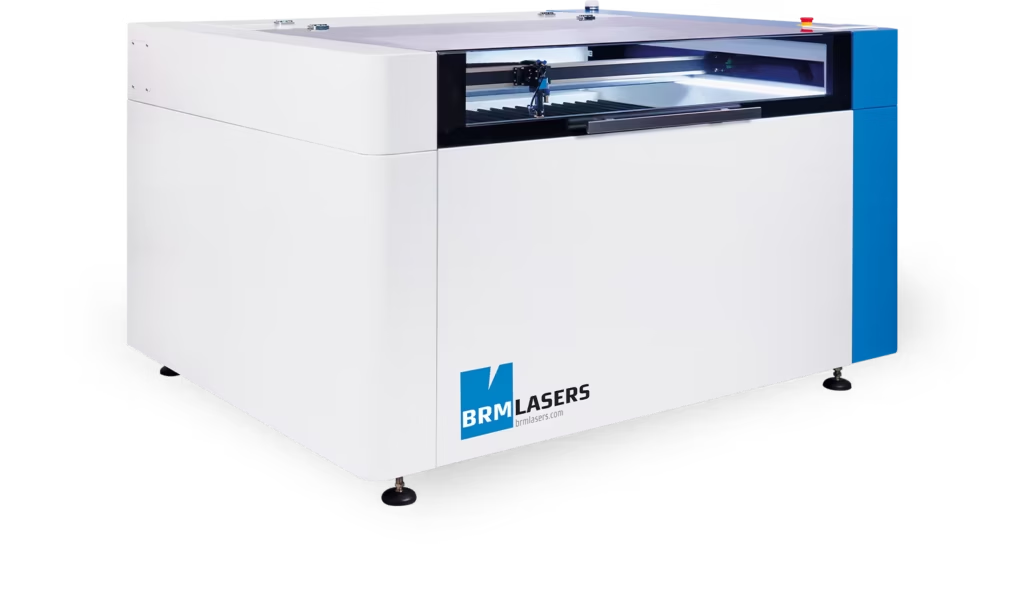




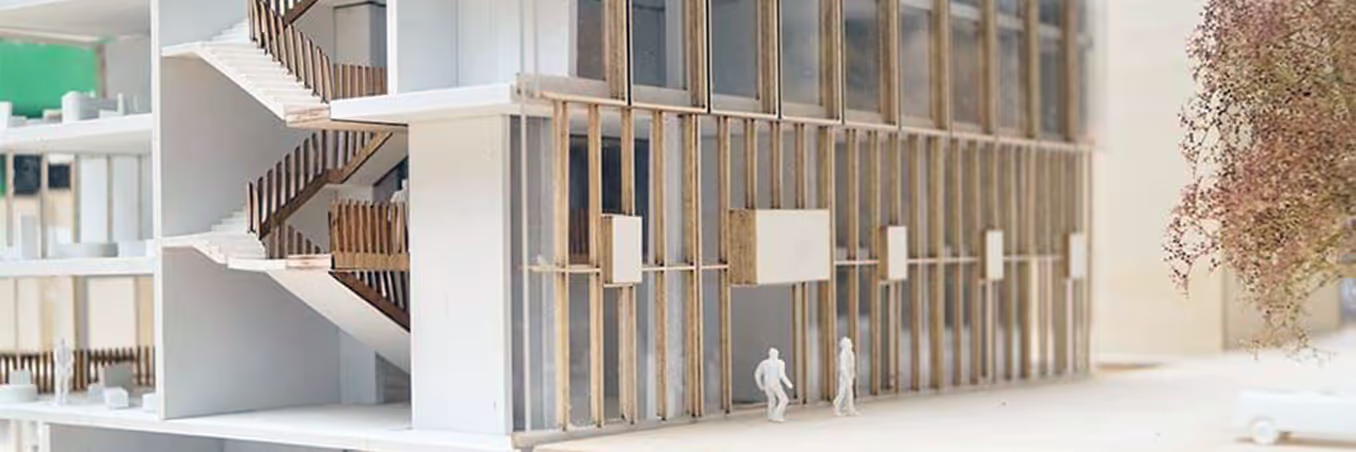
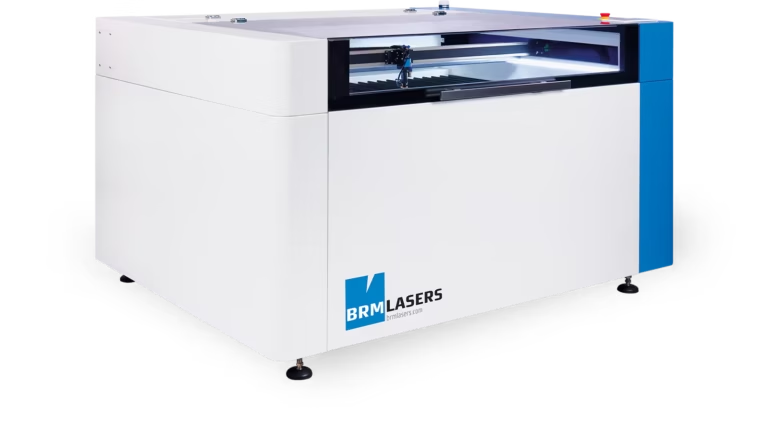
Cutting parts for a scale model in-house is far more effective than having it done elsewhere. This was the experience of Rotterdam-based architectural firm GROUP A. At GROUP A, Gabrielis Varnelis is in charge of the laser cutter, and he explains why they chose this machine. “The 90×130 cm format proved to be the best fit for us when we looked into which size of sheet material was most common. It was also the best match when we considered the materials we use most, such as cardboard and MDF.” The BRM 90130 also suited the size of the scale models they produce most frequently very well.
Acrylic, cardboard or MDF are usually used
The machine is mainly used for laser cutting components. Elements are cut from materials such as acrylic, cardboard or MDF, which are later assembled into a single larger item. This makes the laser machine an important tool in the preparatory work leading up to the construction of a single structure. Tests are certainly being carried out with other materials, but MDF has been the preferred choice so far. MDF does not warp and is easy to laser-cut. Thin plywood is also sometimes used. However, a disadvantage of this is that it can become damp, which increases the risk of it warping.
Greater efficiency through in-house laser cutting
Previously, GROUP A always outsourced the laser cutting of individual components. This was carried out by various firms, and everything was assembled at GROUP A’s premises. The laser speeds up this process because the cutting is no longer outsourced, says Mr Varnelis. “As a result, we now work much more efficiently because we can see immediately on site if anything goes wrong.”

Crucial for prototyping and ‘design by research’
As well as creating scale models for presentations – which is just one of the machine’s applications – it is used for other purposes. For example, in prototyping or ‘design by research’. The latter involves conducting research and testing to determine the best solution when a design is not yet finalised. In prototyping, a 1:1 scale model – i.e. a full-scale model – is produced. This could be a section of a project or structure to be built. This allows the intended result to be visualised very quickly, which is hugely helpful. Accuracy is crucial here, as it allows us to see how elements fit together or how light enters through the windows or through a specific pattern. It is a perfect way to have complete control over the final result in terms of aesthetics. Because if you can produce something to your specifications on a 1:1 scale, that can then be applied exactly to the design you have conceived.
A huge asset
This laser machine is a long-term investment and an excellent tool for further perfecting GROUP A’s designs, says Varnelis. Its speed, ease of use and the flexibility to carry out tasks in-house ensure that this machine is truly a huge asset.
“The laser machine is a long-term investment. Thanks to the machine, we can further refine all our designs.”
BRM Lasers: prompt delivery and enhanced security
An excellent demonstration at VROTECH and the fast delivery were the deciding factors in choosing to buy this specific machine. Varnelis was particularly impressed by the fact that the BRM machine contains many sensors, making it quite ‘smart’. For example, you receive an error message and the machine locks if the top cover is open and you try to start it. Safety messages like this are, of course, a great reassurance. Especially as more colleagues start using the laser machine, because it significantly reduces the risk of accidents.